A Lake That Sustains a Nation
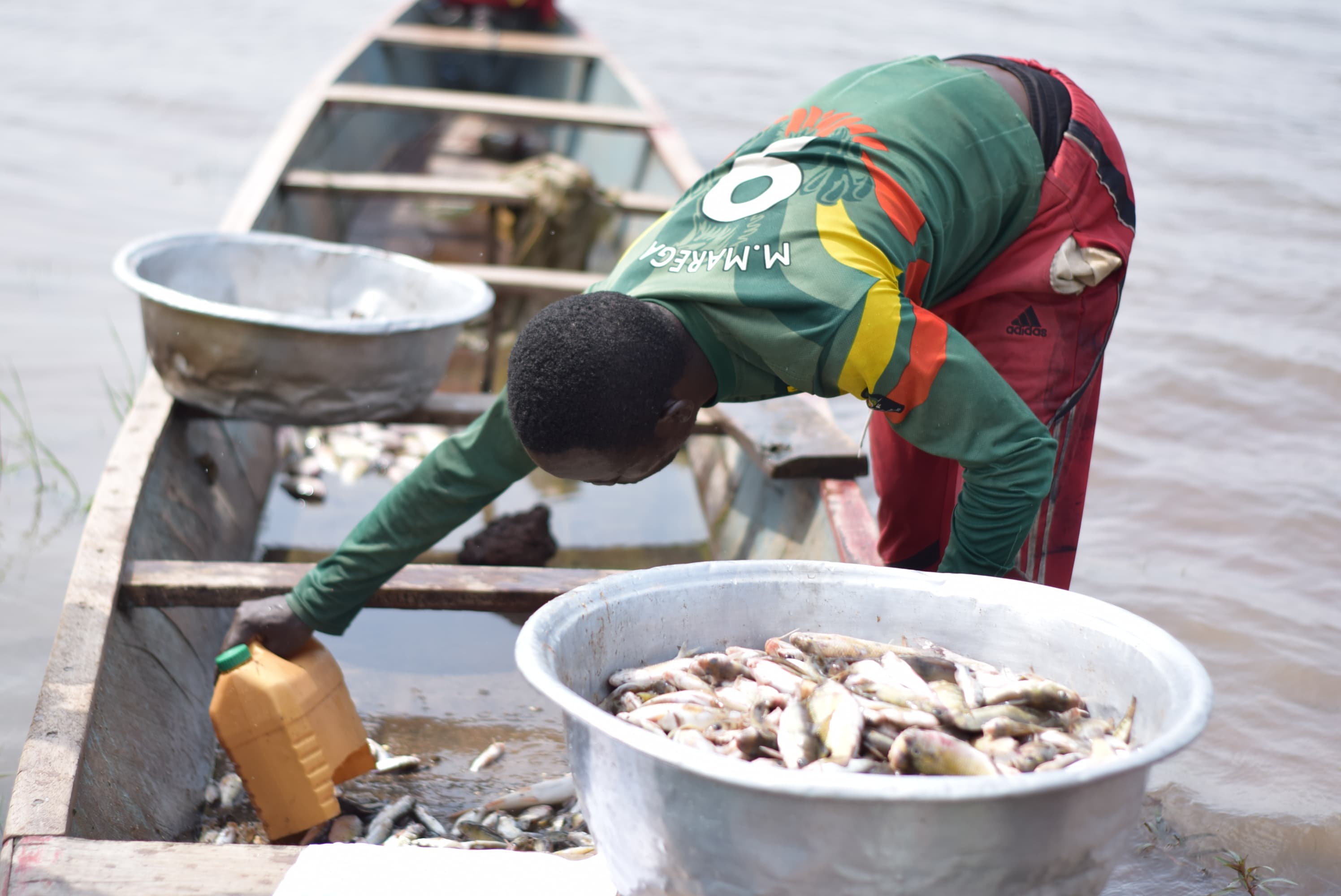
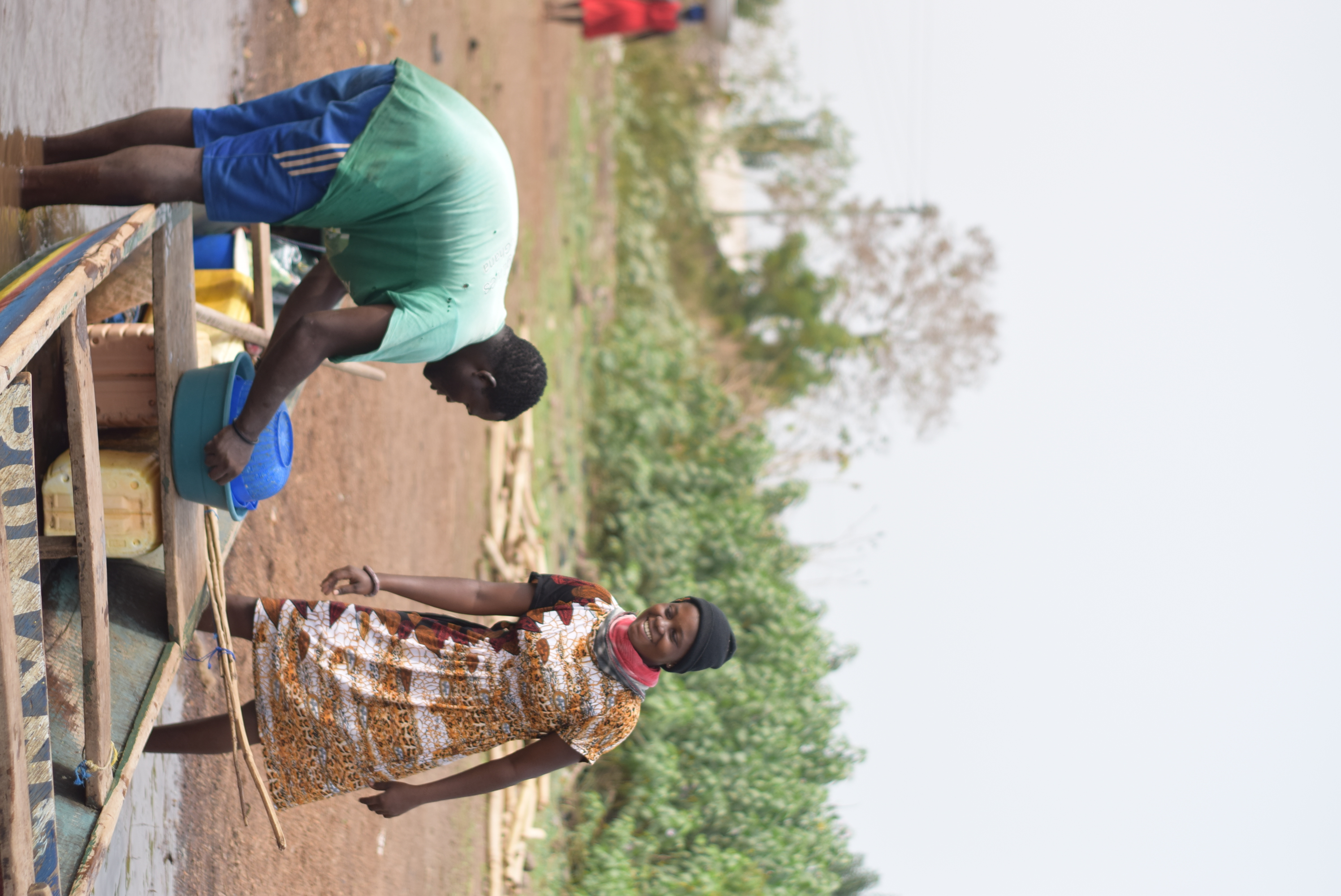
Lake Volta is not simply a body of water, it is the lifeline of inland fisheries in Ghana. Thousands of families rely on it for food, livelihood, and cultural identity. However, beneath its surface, the lake is sending crucial signals that mandate immediate attention. In 2023, I spent several months working with fishing communities in Yeji within Stratum VII, a busy fishing centre. Together, we sampled fish species to understand which are thriving, which are struggling, and what this reveals about the health of the ecosystem.
The Results Were Alarming
42 species were recorded, but only a few dominated the catch, particularly Chrysichthys walkeri, Chrysichthys nigrodigitatus, and Schilbe mystus.
Omnivorous fish accounted for half of the catch. While this might sound positive, it is in fact a warning sign. When omnivores dominate, it often indicates that the ecosystem is stressed and losing balance.
Overall species diversity was low, showing that the fish community in the lake is less resilient than it should be.
What It Means
Think of Lake Volta as a community. When only a few voices dominate, the richness of the conversation disappears. That is what is happening underwater: destructive fishing practices and ecological pressures are silencing many freshwater species, leaving just a handful to carry the load.
Using the Community Degradation Index (CDI), we found that Yeji’s section of the lake is slightly degraded. This means the stratum is not beyond repair, but the warning lights are flashing loudly.
Why It Matters
If Lake Volta continues down this path, the consequences will ripple far beyond the water. Fish stocks could collapse, livelihoods could vanish, and food security in Ghana could be severely threatened. But there is hope. By urgently discouraging harmful fishing gears such as bamboo traps and integrating science-based monitoring tools like the CDI, we can restore ecological balance and protect this vital resource.
A Call to Action
Lake Volta is more than statistics, it is about people, communities, and the future of inland fisheries in Ghana. My research shows that with immediate policy action, community engagement, and further studies to fill critical knowledge gaps, we can keep the lake healthy and thriving for generations to come.