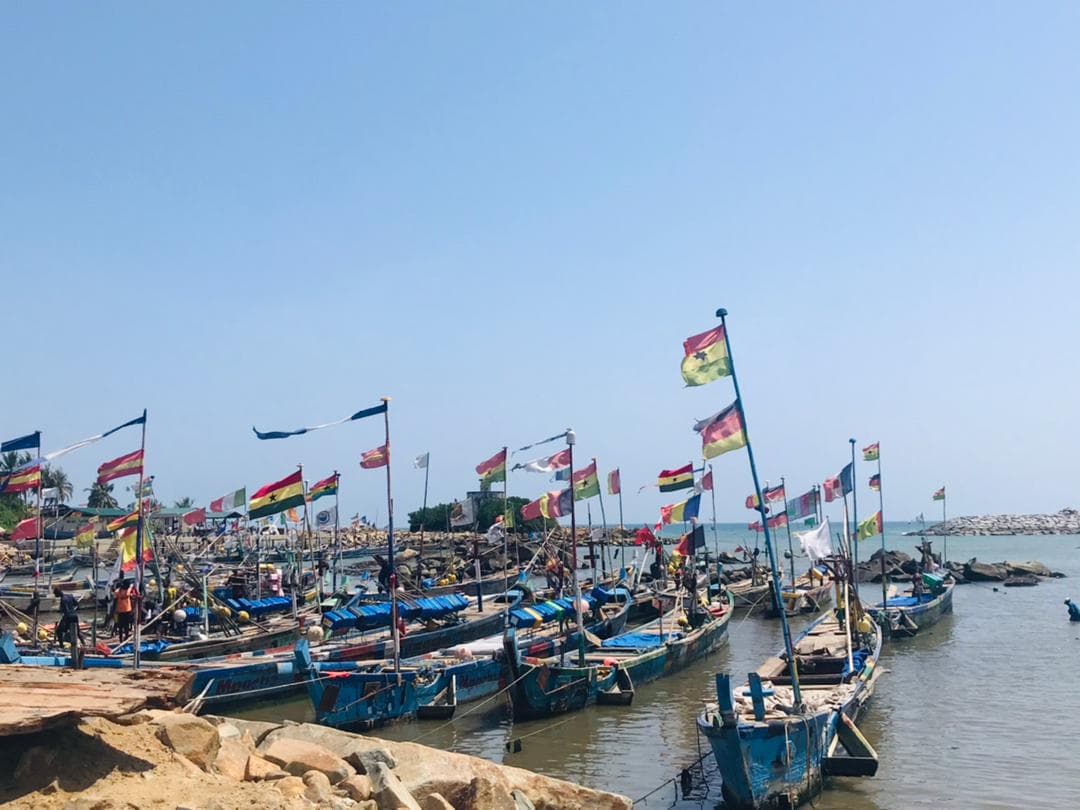
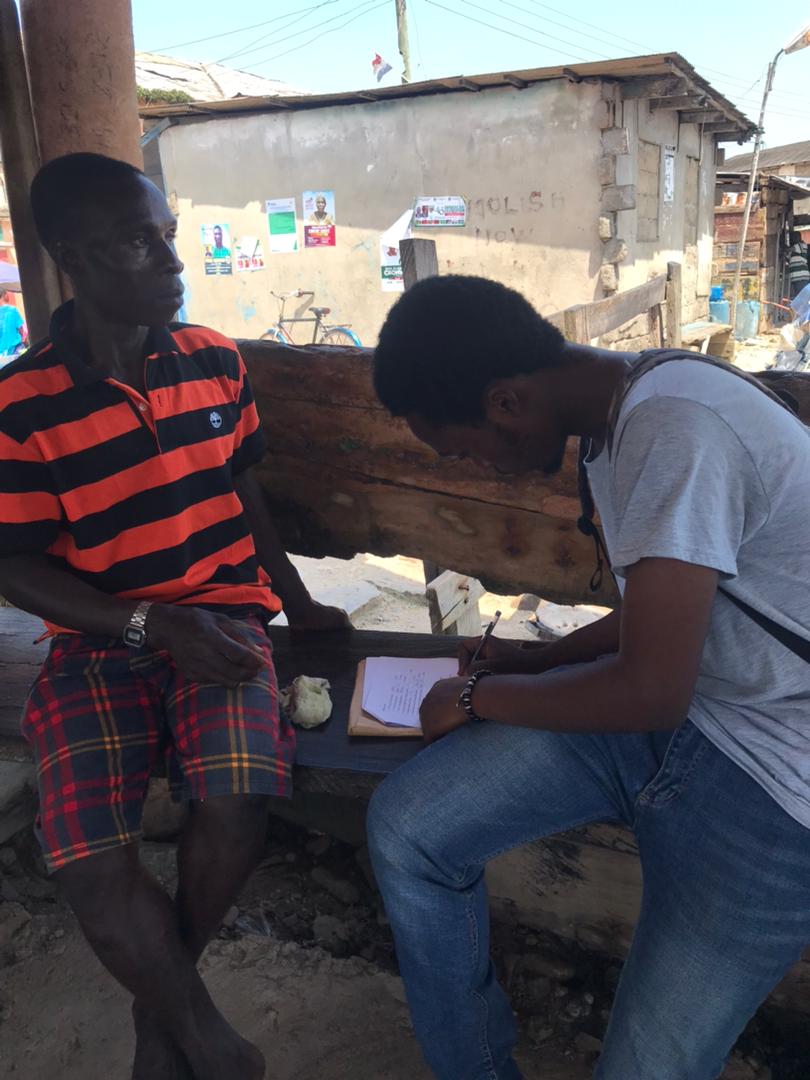
A Call to Action for Government and International Organizations: Addressing the Drowning Crisis in Ghana's Fisheries
The Government of Ghana and international organizations, including the World Health Organization, Food and Agriculture Organization, International Labour Organization, and development partners must urgently prioritize drowning as a preventable occupational hazard, public health emergency, and economic threat within the nation's artisanal fisheries sector.
Recent empirical research by researchers from University of Energy and Natural Resources, Ghana, across six fishing communities (Bui, Yeji, Dzemeni, Tema, Denu, and Dixcove) reveals that inland fishing communities face significantly higher drowning risks (mean perception score = 3.2 ± 0.2) than marine fishing communities (2.7 ± 0.1), with causes ranging from poor swimming decisions and overloaded boats (mean scores 4.58 and 4.56 inland) to extreme weather, submerged tree stumps (MS = 4.15 inland), and cultural beliefs linking drowning to spiritual curses (MS = 4.08 inland). The consequences are devastating: death (MSinland = 4.63; MSmarine = 4.08) and financial stress (MSinland = 4.31; MSmarine = 3.51), with the loss of a single fisherman costing the Ghanaian economy an estimated 419,696.6 USD annually over his working lifetime.
Despite this burden, drowning remains absent from national fisheries frameworks, occupational safety regulations, and public health strategies. These researchers therefore call upon the Government of Ghana to integrate drowning prevention into the Fisheries Act and National Health Policy, invest in rescue infrastructure and tree stump removal, enforce lifejacket and loading regulations, and launch culturally sensitive awareness campaigns linked to economic incentives.
The researchers also call upon international organizations to recognize drowning as a development priority, fund surveillance systems and research, facilitate cross-sectoral collaboration toward a National Drowning Prevention Strategy, and mobilize resources for scalable interventions that align with climate adaptation frameworks. The evidence is clear, the solutions are known, and the cost of inaction is measured in lives lost and livelihoods destroyed, decisive leadership is now required to turn the tide on this silent crisis.