Transactional sex within the small-scale fisheries of Ghana has emerged as an important socio-economic issue with serious implications for women engaged in the sector. Findings from recent studies in Axim, Apam, Dixcove, and Tema indicates that the practice is widespread, with over 95% of respondents acknowledging its existence. While motivations for sex for fish transactions include poverty, debt repayment, and peer influence, the effects disproportionately affect women along the fisheries value chain. Reported outcomes include teenage pregnancy, sexually transmitted diseases, divorce, marginalization, and loss of livelihood, all of which undermine the health, social standing, and economic security of women. These findings shows the intersection of gender inequality, economic vulnerability, and cultural norms in shaping transactional sex dynamics. Given the central role of women in post-harvest processing and trade, the persistence of sex-for-fish practices threatens not only individual well-being but also the sustainability of coastal fisheries and food security. Addressing this issue requires rigorous interdisciplinary research that documents women’s lived experiences, explores socio-economic drivers, and evaluates interventions such as microcredit schemes, education programs, and alternative livelihoods. Collaboration among researchers, policymakers, NGOs, and local communities is essential to generate evidence-based strategies that safeguard women’s dignity and strengthen the resilience of Ghana’s small-scale fisheries.
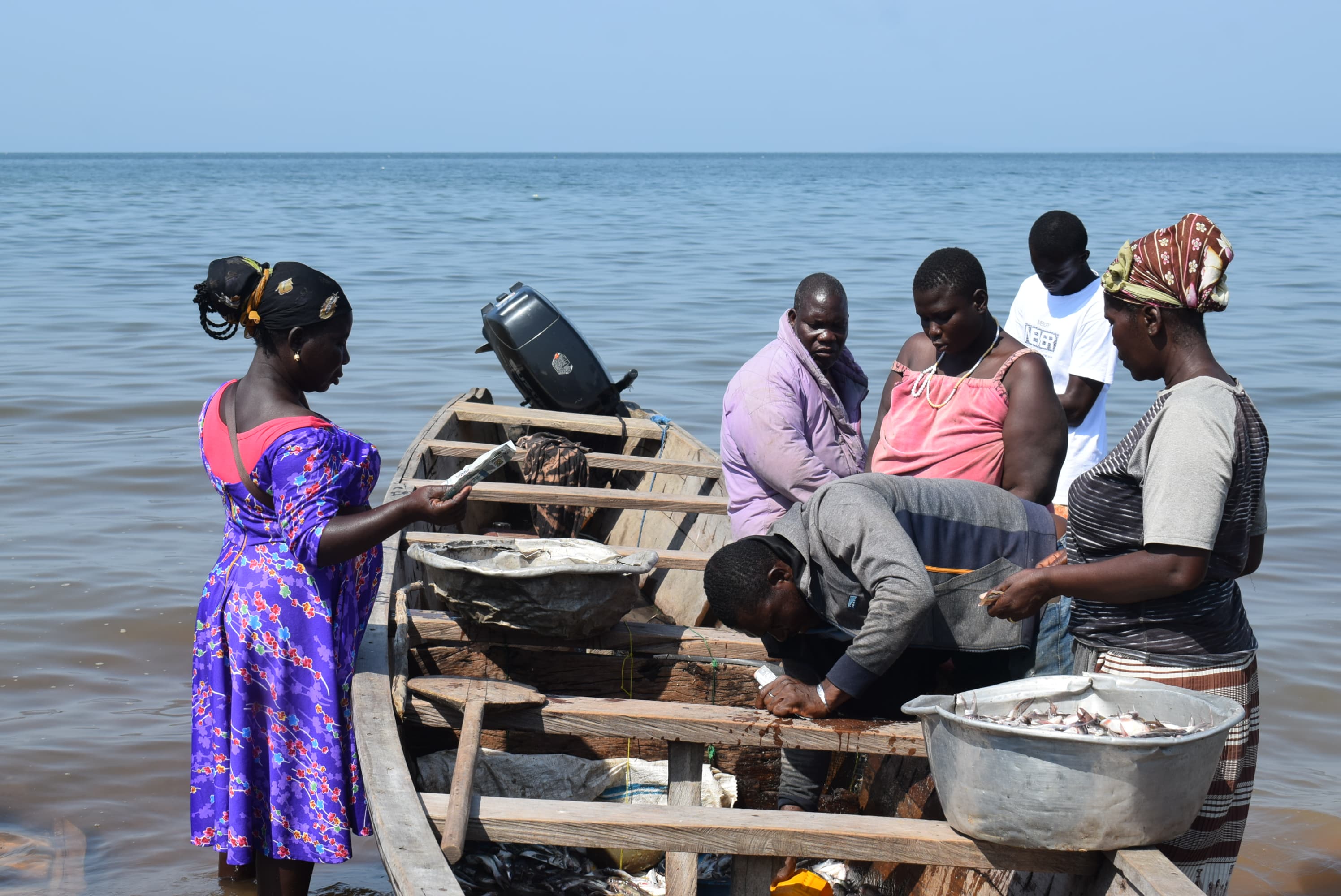
Uncovering the hidden costs of sex-for-fish on women’s health, dignity, and livelihoods
By Dr. Amponsah•December 13, 2025
#Small-scale fisheries#Women in fisheries#Transactional sex#Ghana#Women’s empowerment
Dr. Amponsah
Dr. Samuel Kweku Konney Amponsah is a fisheries scientist with a PhD in Fisheries Science and a Senior Lecturer at the University of Energy and Natural Resources, Ghana. He teaches a wide range of fisheries-related topics, equipping students with the knowledge and skills to advance sustainable aquatic resource management.