Cephalopods are increasingly known as critical components of marine ecosystems and global fisheries, and the common cuttlefish (Sepia officinalis) cannot be ignored. In Ghana, this species is widely harvested by artisanal and industrial fishers, contributing to local livelihoods and international exports. However, declining catches in recent decades show the urgent need for rigorous stock assessments to guide sustainable management. A recent study conducted along the Ghanaian coast provides the first scientific evaluation of growth, mortality, and exploitation rates of S. officinalis, offering evidence-based recommendations for fisheries governance. Between January and December 2020, 264 specimens were sampled from three major landing sites, Tema, Sakumono and Ningo-Prampram where mantle length–frequency data were obtained and analyzed using TropFishR software. The von Bertalanffy Growth Function revealed an asymptotic length of 30.23 cm, a growth coefficient of 0.57 year⁻¹, and a longevity of approximately five years. Mortality estimates showed that natural mortality exceeded fishing mortality, with total mortality at 1.14 year⁻¹. The exploitation rate was below the optimal threshold of 0.5, indicating that the stock is currently underexploited. These findings suggest that cuttlefish populations in Ghana are sustainable under present fishing pressure, but they remain vulnerable to shifts in effort or environmental drivers. Compared to Algeria, Turkey, and Egypt, Ghanaian cuttlefish exhibit broader mantle length ranges and lower exploitation rates, implying reduced fishing pressure but also emphasizing regional variability in population dynamics. For policymakers, this evidence underscores the importance of precautionary monitoring, adaptive regulation, and regional collaboration. Continuous assessment of catch composition, size structure, and mortality indicators is essential to detect early signs of overexploitation. Moreover, data sharing across West African nations would strengthen cephalopod conservation and harmonize management frameworks. In conclusion, the Ghanaian case study demonstrates that Sepia officinalis stocks are currently underexploited, but precautionary management is key to prevent future decline. Protecting cuttlefish populations is not only a matter of biodiversity conservation but also of food security, economic resilience, and global sustainability, making this research highly relevant to both policymakers and the scientific community.
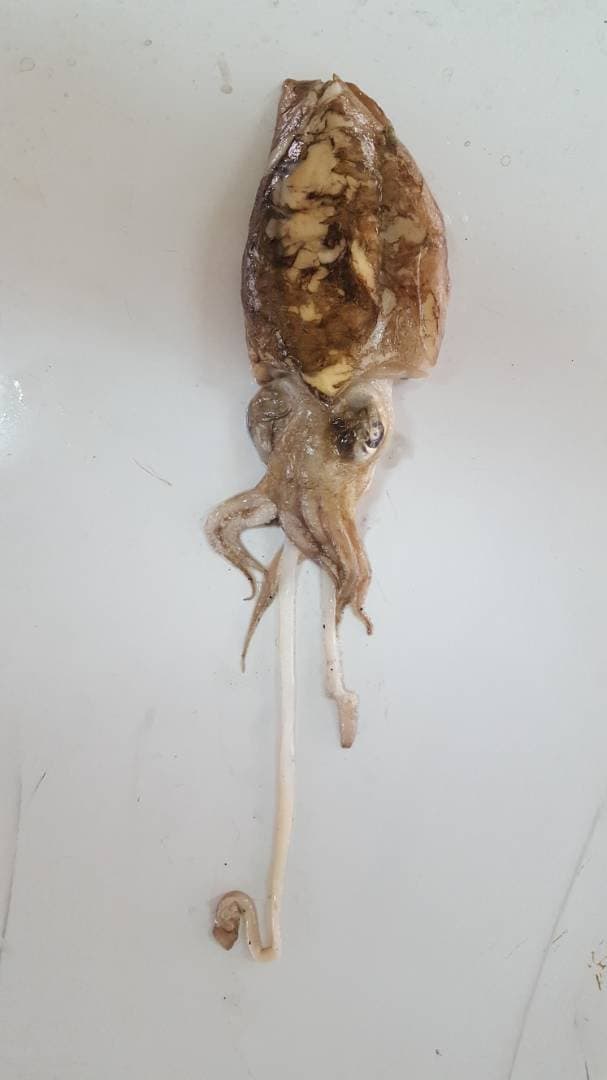
Scientific Insights into Sepia officinalis for Precautionary Fisheries Management in Ghana
By Dr. Amponsah•September 12, 2026
#Sepia officinalis#stock assessment#exploitation rate#Ghana fisheries#marine biodiversity
Dr. Amponsah
Dr. Samuel Kweku Konney Amponsah is a fisheries scientist with a PhD in Fisheries Science and a Senior Lecturer at the University of Energy and Natural Resources, Ghana. He teaches a wide range of fisheries-related topics, equipping students with the knowledge and skills to advance sustainable aquatic resource management.