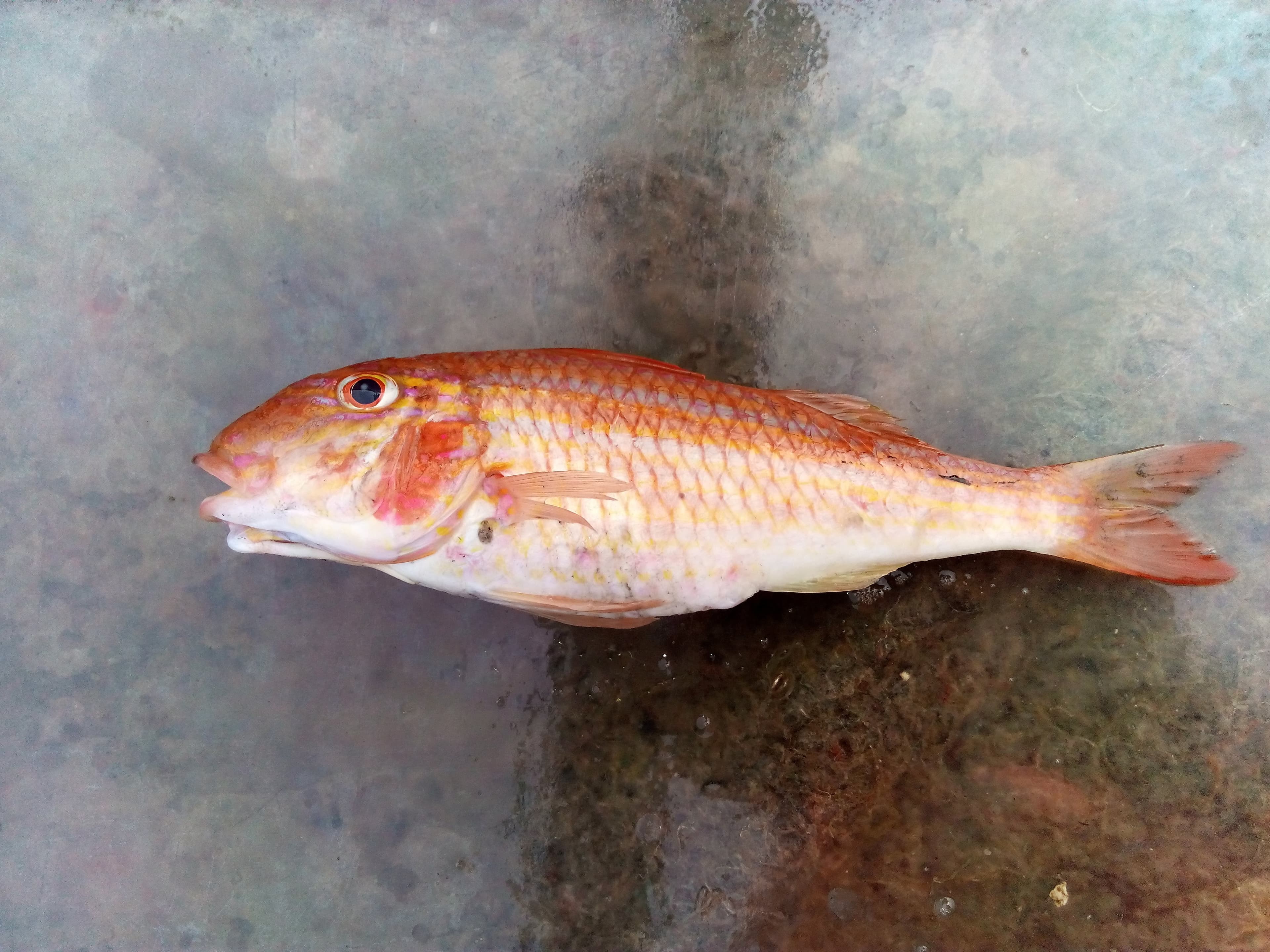
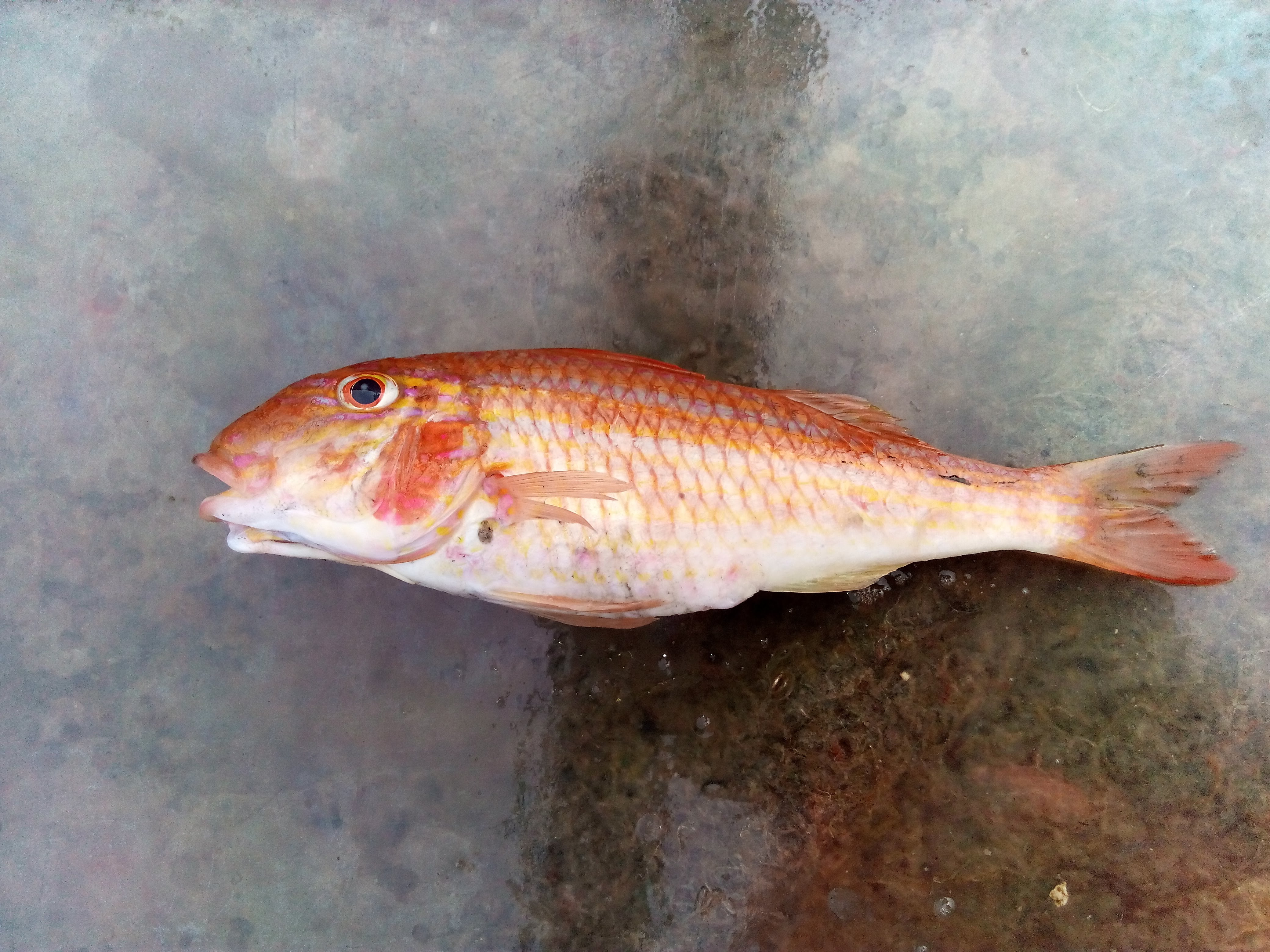
Management Insights from the Stock Assessment of West African Goatfish (Pseudupeneus prayensis) in Ghanaian Coastal Waters
A recent stock assessment of the West African goatfish (Pseudupeneus prayensis) along the Ghanaian coast provides fisheries managers with updated scientific evidence to guide conservation and sustainable utilization of this commercially important demersal resource. The study, based on 615 individuals sampled between July 2020 and June 2021 from four key fishing communities (Sekondi, Sakumono, Apam, and Keta), employed length-frequency based methods within the FISAT II software package to estimate critical population parameters. These parameters are essential for evaluating stock status, informing management decisions, and ensuring that harvesting remains within biologically sustainable limits.
Current Stock Status: Stable but Requiring Oversight
The findings indicate that P. prayensis in Ghanaian waters exhibits positive allometric growth (b = 3.13), meaning individuals gain weight faster than they increase in length, a favorable biological trait under prevailing environmental conditions. The von Bertalanffy growth parameters (asymptotic length L∞ = 26.25 cm; growth coefficient K = 0.57 yr⁻¹) suggest a moderate growth rate and a longevity of approximately 5.3 years. From a management perspective, these baseline biological data are crucial for setting realistic harvest limits and understanding the species' productive capacity.
The estimated exploitation rate (E = 0.41) falls below the commonly applied optimum reference point of 0.5 (Gulland, 1971) and well below the maximum sustainable exploitation rate (Emax = 0.80) derived from yield-per-recruit analysis. This indicates that the stock is currently not overexploited and that fishing mortality (F = 0.87 yr⁻¹) is lower than natural mortality (M = 1.25 yr⁻¹). The predominance of natural mortality suggests that environmental factors such as predation pressure, habitat quality, and oceanographic variability play a greater role in driving population fluctuations than fishing activities alone. For fisheries managers, this distinction is critical: management strategies must extend beyond effort control to consider broader ecosystem-based approaches that address habitat conservation and environmental monitoring.
Length at First Capture: A Management Lever
The estimated length at first capture (Lc₅₀ = 14.26 cm) aligns with Ghana's minimum legal landing size of 14 cm as stipulated in the Fisheries Act 625. Compliance with this regulation is a positive indicator, suggesting that current mesh size restrictions are reasonably effective at permitting some individuals to reach maturity before capture. However, the critical length ratio (Lc₅₀/L∞ = 0.54) indicates that most goatfish are harvested near the onset of adulthood, with limited opportunity for multiple spawning events. From a reproductive management standpoint, a precautionary approach would involve assessing whether a modest increase in the minimum legal size could enhance spawning stock biomass and long-term recruitment stability without disproportionately disadvantaging artisanal fishers. This represents a potential trade-off between immediate yield and future productivity that warrants stakeholder consultation.
Exploitation Limits and Reference Points
Yield-per-recruit analysis provided additional management reference points: the exploitation rate at which marginal increase in yield drops to 10% of its initial slope (E0.1= 0.66) and the maximum exploitation rate (Emax = 0.80). The current rate of 0.41 remains substantially below these thresholds, reinforcing that fishing pressure is within biologically safe limits. Nevertheless, the gap between current exploitation and Emax should not be misinterpreted as license to increase fishing effort. Fisheries managers are advised to treat E0.1 as a more conservative target, as it balances yield optimization with risk aversion, particularly given the uncertainties inherent in length-frequency based assessments (e.g., potential underrepresentation of juvenile recruits, assumptions regarding gear selectivity, and interannual environmental variability).
Management Recommendations
Based on these findings, the following management measures are recommended to sustain P. prayensis stocks and the livelihoods dependent upon them:
1. Maintain and Enforce Existing Regulations
Current exploitation levels are sustainable, but this status depends on continued compliance with mesh size restrictions and minimum landing sizes. Fisheries enforcement agencies should prioritize monitoring of artisanal landings at key landing sites to prevent slippage toward smaller mesh sizes that would increase juvenile capture.
2. Institutionalize Regular Monitoring
The previous data gap of over two decades (2003–2026) highlights the need for systematic, periodic stock assessments. Establishing a routine monitoring program for commercially important demersal species, including P. prayensis, would enable early detection of overexploitation trends and timely management responses.
3. Adopt a Precautionary, Ecosystem-Based Approach
Given that natural mortality exceeds fishing mortality, management strategies should integrate environmental considerations. This includes monitoring habitat integrity (e.g., sandy and muddy seabeds where goatfish forage), water quality, and broader ecosystem dynamics that may influence prey availability and predation pressure.
4. Strengthen Community-Based Co-Management
Artisanal fishers account for approximately 70% of marine fishing activities in Ghana and are essential partners in sustainable resource management. Empowering fishing communities through co-management arrangements, whereby local users participate in data collection, compliance monitoring, and decision-making can enhance stewardship and reduce enforcement costs. Initiatives that promote responsible fishing practices and provide alternative livelihood options during closed seasons or areas could further buffer against potential future declines.
5. Conduct Complementary Research
Future studies should integrate independent survey methods (e.g., swept-area trawl surveys) and, where feasible, genetic analyses to validate length-frequency based findings and improve understanding of recruitment dynamics and population structure. Such approaches would strengthen the evidence base for management decisions and reduce uncertainty.
Conclusion
The West African goatfish stock in Ghanaian coastal waters is currently stable and underexploited, offering a valuable window of opportunity for proactive management. By maintaining regulatory compliance, institutionalizing monitoring, engaging fishing communities, and adopting a precautionary ecosystem approach, fisheries managers can safeguard this resource against future decline. The findings underscore that sustainable fisheries management is not solely about reacting to overexploitation but about preserving healthy stocks through informed, adaptive, and participatory strategies that balance ecological sustainability with the socio-economic needs of coastal communities.