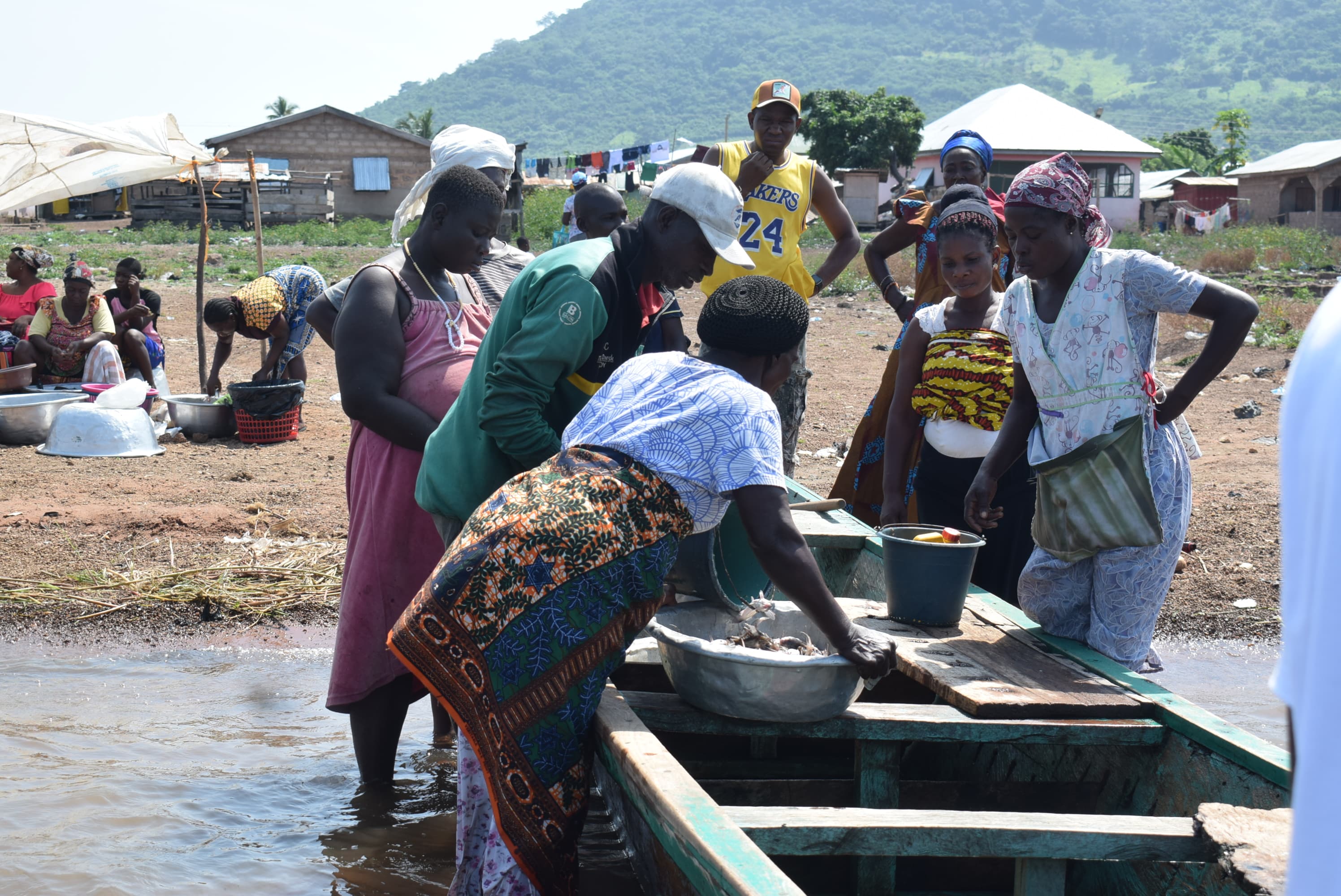
Strengthening Small‑Scale Fisheries Through Record‑Keeping: Evidence from Ghana
Small‑scale fisheries are the lifeblood of Ghana’s coastal and inland communities, providing food security, employment, and cultural identity. Yet beneath their importance lies a critical management gap, inconsistent record‑keeping. Recent empirical research conducted among 173 fisherfolk across inland and marine communities reveals high perception of the importance of record‑keeping and the persistent barriers to its adoption (Amponsah, 2026).
Evidence from the Field
The study found that record‑keeping was far more prevalent among marine fishers (92.4%) than inland fishers (57%), reflecting the higher financial investment and accountability required in marine fishing activities. Fisherfolk reported keeping records on profitability, costs of inputs, species landed, and crew management. Profit determination and savings emerged as the most valued benefits, with mean scores above 4.2 in both sectors. However, barriers such as lack of training, difficulty in data collection, and low literacy significantly constrained adoption. Respondents with no formal education were less likely to keep records, and regression analysis confirmed education and gender as significant predictors of record‑keeping behavior. Manual paper notebooks dominated as the recording format (over 90% in both sectors), with negligible adoption of digital tools. These findings reveal broader challenges across West Africa, where artisanal fisheries are often subsistence‑based and constrained by limited extension services, weak enforcement, and low digital literacy. Yet, fisherfolk themselves recognize the benefits, improved profitability, better savings habits, and enhanced resilience against shocks such as seasonal closures or climate variability.
Implications for Policy
The evidence underscores the need to institutionalize record keeping as a pillar of fisheries management. Training programs delivered in local languages and simplified formats can help overcome literacy barriers. Linking record keeping compliance to access to microcredit, subsidies, and licensing would incentivize adoption. Gender sensitive interventions are essential, as women fishmongers often rely on informal trade practices and are less likely to document transactions. Moreover, government private sector partnerships should promote digital tools such as mobile apps and SMS systems to reduce reliance on manual paper records. At the national level, intensifying extension services at district and community levels is critical. Fisheries officers trained in bookkeeping and ICT should be deployed to landing sites, while youth focused digital literacy campaigns could ensure long term sustainability. Embedding record keeping into fisheries governance through licensing requirements, subsidy eligibility, and access to credit would establish strong incentives for adoption.
Conclusion
Record‑keeping is not a peripheral task but a fundamental management tool that determines the efficiency, profitability, and sustainability of small‑scale fisheries. For Ghana, strengthening record‑keeping practices among artisanal fisherfolk will not only improve productivity but also foster access to finance and resilience in a competitive sector. For the global community, harmonized frameworks and digital innovations can promote the role of small‑scale fisheries in achieving food security and sustainable development.